Before positioning yourself, you need to know who you are.
In a world that pushes us to constantly show up, perhaps the biggest challenge is discovering what we actually have to say.
Recently, during an event by Henrique Fellini, a talk by Fabiano Gomes brought up a provocation that stayed with me: before building a positioning, we need to become who we really are.
It sounds simple. But just watch the way many people and companies communicate to see how challenging this idea really is.
We are constantly exposed to references, trends, formulas and success stories. And, almost without noticing, we start confusing inspiration with reproduction.
Positioning is not about building a character
When we talk about brand positioning, it's common to think of visibility, differentiation and digital presence.
All of that matters. But there is a prior question: what actually sustains that presence?
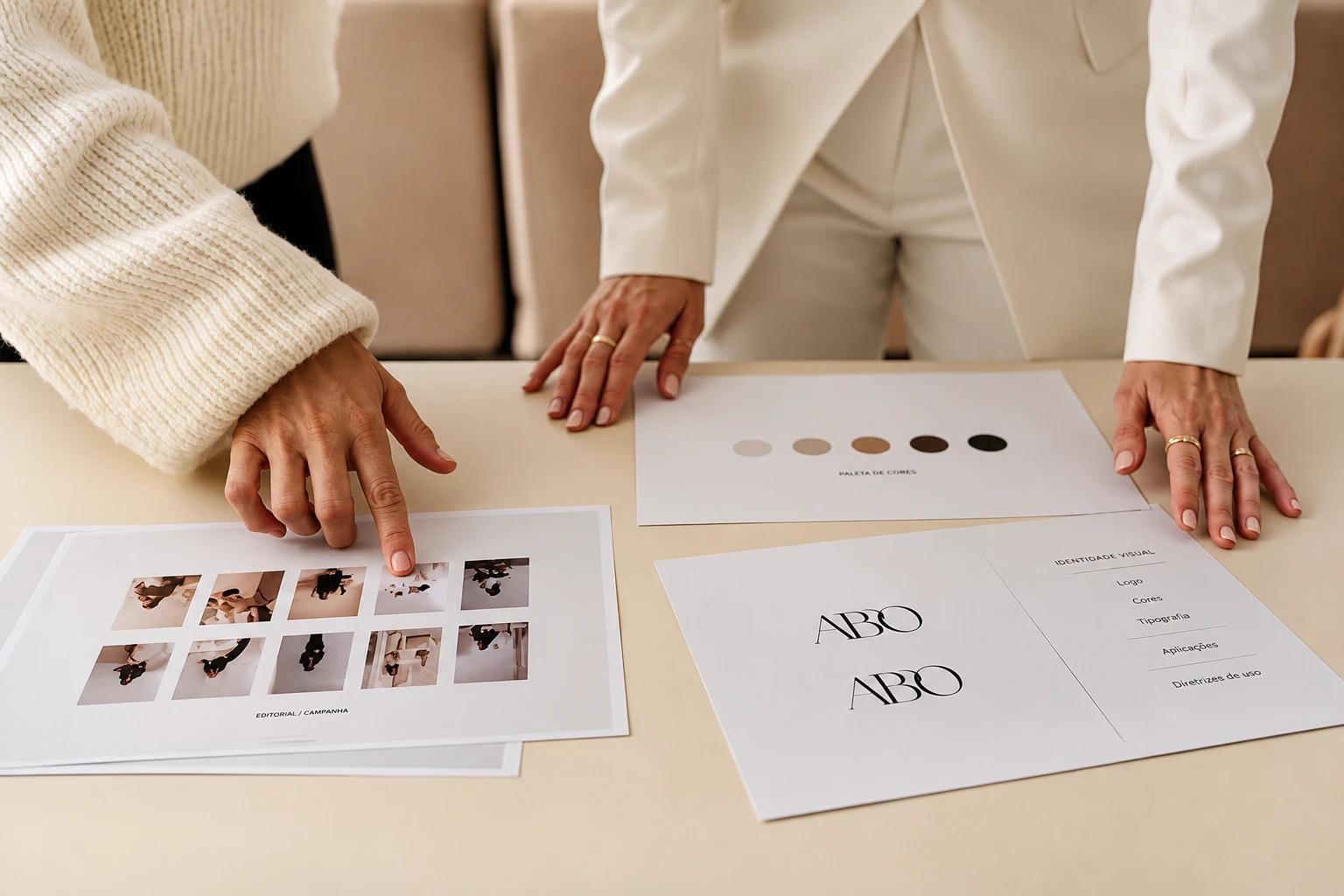
A brand can adopt a sophisticated language, follow trends and invest in a flawless visual identity. Even so, if these choices are not connected to its essence, they will hardly produce consistent communication.
Positioning yourself should not mean inventing a personality to gain attention. It should mean understanding your own identity and finding clear ways to express it.
The importance of recognizing what we still don't know
Another point that caught my attention at the talk was the relationship between leadership, humility and learning.
There is pressure to constantly show confidence, especially when you are running a business. But recognizing that we don't know everything can be exactly what opens space for new perspectives.
This is also true for brands.
Companies that allow themselves to investigate, listen and question their own certainties are better able to understand their challenges and identify opportunities that weren't so obvious before.
A brand strategy doesn't need to be born from ready-made answers. Often, it starts with better questions.
Authenticity demands choices
Being authentic doesn't mean sharing everything, exposing every opinion or acting without considering context. Authenticity is building a coherent relationship between identity, discourse and behavior.
And that coherence demands choices.
It means understanding which values matter, which commitments the brand is willing to take on, and which paths don't make sense for it. Because positioning is also knowing what we don't want to be.
When a brand tries to occupy every space, follow every trend and talk to everyone, it risks losing what sets it apart.
Essence as a starting point
At iD Soul, we believe that relevant brands are built from the inside out. This doesn't mean ignoring the market or failing to observe cultural movements. Quite the opposite. It means using that repertoire to expand possibilities, without abandoning the identity that guides decisions.
A brand needs to know the world it is part of. But it also needs to recognize what it wants to add to it. Perhaps the real challenge of positioning isn't figuring out how to get more attention.
Perhaps it's building something that deserves attention precisely because it's true, coherent and relevant.
Before asking how your brand should appear, try asking: what does it really have to say?