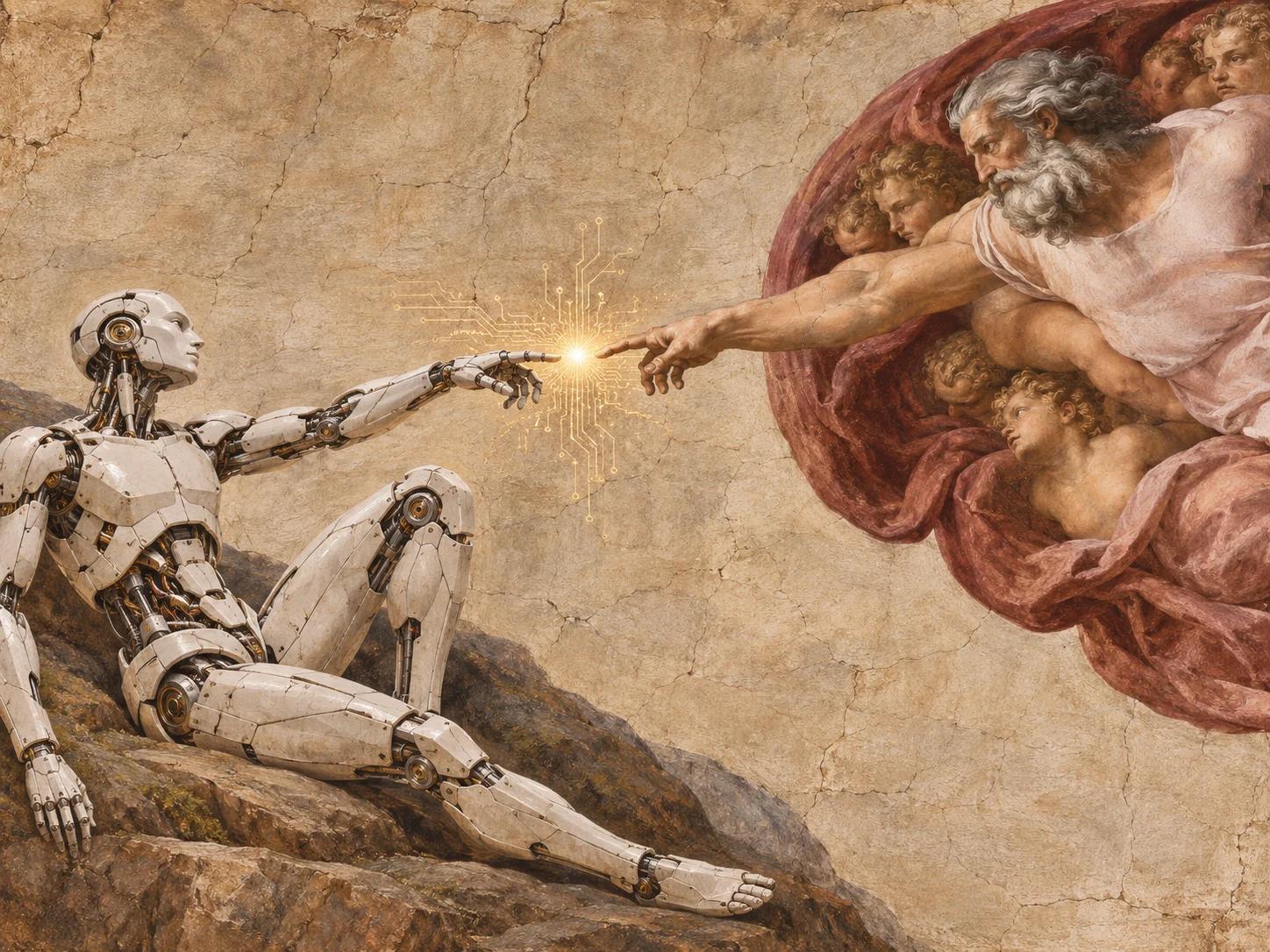
Artificial intelligence and branding: as technology advances, what makes a brand relevant?
Technology expands what we are capable of doing. But it is our ability to think, choose and assign meaning that determines the value of what we create.
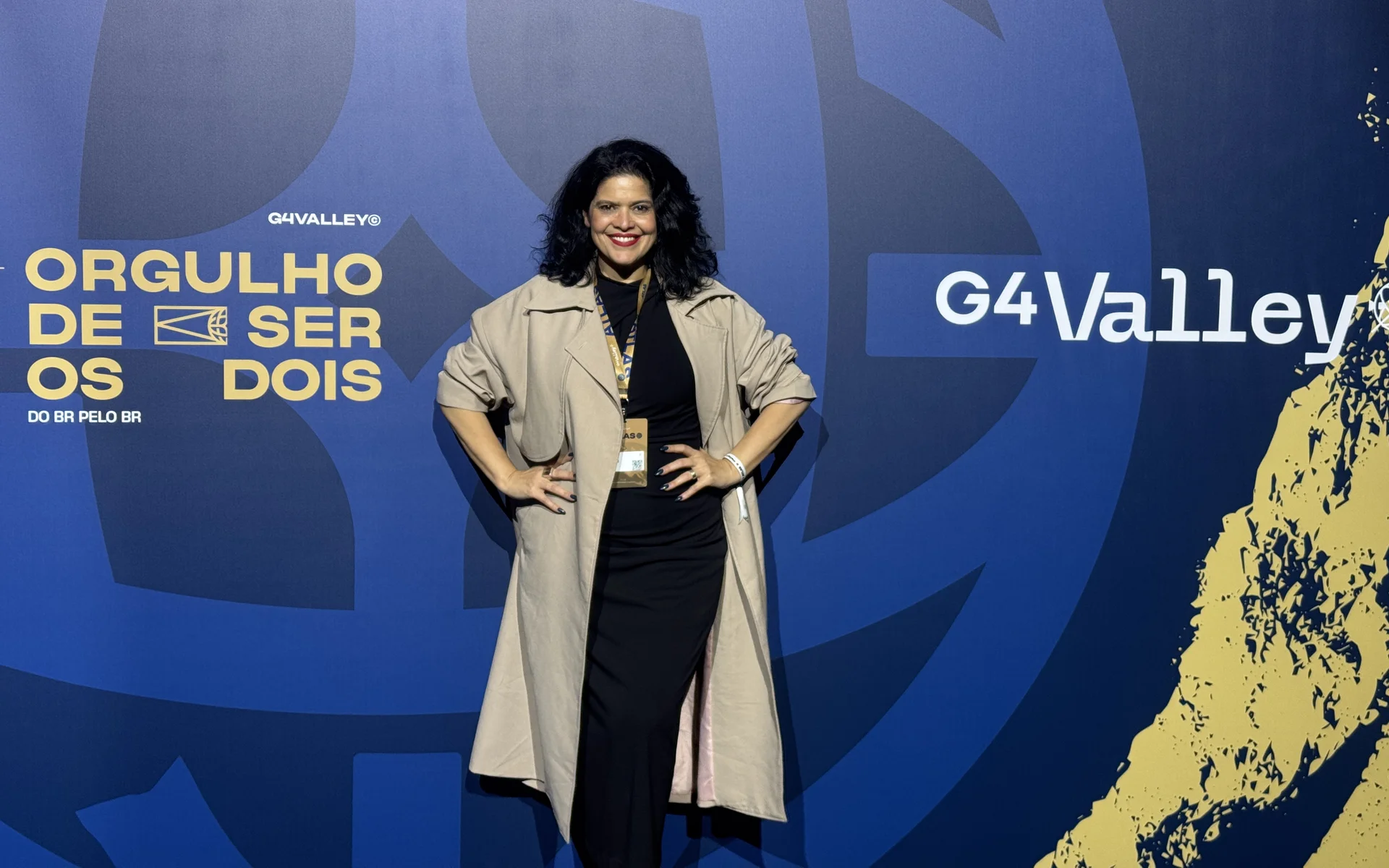
Taking part in G4 Valley was another opportunity to closely observe the discussions about the future of business, digital transformation and the challenges of entrepreneurship in a landscape of accelerated change.
Among so many possible reflections, one question deserves special attention: as artificial intelligence becomes more accessible, what will keep setting a brand apart?
That question goes far beyond technology.
It invites us to think about identity, strategy, creativity and the role of people in building relevant businesses.
Artificial intelligence is changing the way we work
Artificial intelligence already takes part in different stages of business routine.
It can support analysis, organize information, automate tasks, speed up creative processes and expand content production capacity.
For companies of different sizes, this represents important opportunities for efficiency and productivity.
But there is a difference between producing more and producing something relevant. Having access to the same tools doesn't mean developing the same ideas, making the same choices or building the same relationships.
Technology can expand capabilities. Direction remains a strategic decision.
When everyone can produce, what makes the difference?
For a long time, producing certain content, images and materials required technical knowledge, specialized teams and significant investment.
Artificial intelligence is transforming part of that reality.
With that, some production barriers are decreasing. At the same time, the amount of content and messages competing for our attention is increasing. In this context, differentiation cannot depend only on the ability to produce.
It needs to be in the quality of the ideas, in the understanding of people, in the coherence of choices and in the way each brand expresses its identity.
Because doing something quickly doesn't necessarily mean doing something meaningful.
Human repertoire gains new importance
There is a dimension of creativity that isn't limited to execution.
It involves observing behaviors, recognizing contexts, connecting knowledge, interpreting experiences and formulating questions that haven't been asked yet.
This repertoire influences the way we use any tool, including artificial intelligence. Two people can use the same technology and arrive at completely different results.
What changes is the perspective, the intention, the analytical ability and the knowledge that guides the process.
That's why investing in technology doesn't eliminate the need to invest in strategic thinking.
Branding in an increasingly automated world
For brands, this scenario presents both an opportunity and a challenge.
The opportunity lies in using artificial intelligence to expand possibilities, improve processes and explore new forms of communication. The challenge lies in preserving coherence and uniqueness in an environment that makes it easy to reproduce formulas.
A brand doesn't become authentic just because it claims to be.
Its authenticity needs to show up in its decisions, in the experiences it provides and in the relationship it builds with people. This is where branding becomes even more important.
The more tools we have available, the more we need to understand what we want to build with them.
Technology and essence don't have to compete
At iD Soul, we see technology as a possibility to expand creative and strategic intelligence.
Artificial intelligence can take part in this process, but it doesn't replace the need to deeply understand a brand, its context and its relationships.
The point isn't choosing between technology and human sensitivity. It's finding ways to integrate both, using new resources without losing the ability to question, interpret and create with intention.
After all, innovation shouldn't mean abandoning what makes us unique.
Perhaps the most important question for the future of brands isn't what artificial intelligence will be able to do. But what we will choose to do with all these new possibilities.